
-
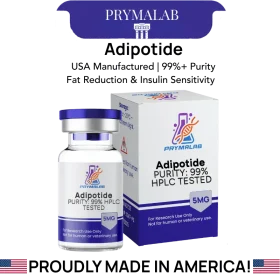
Adipotide 5mg
$49.99 or subscribe for $41.99/mo This product has multiple variants. The options may be chosen on the product page -

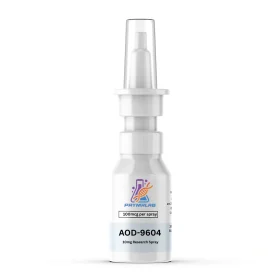
AOD9604 10mg Nasal Spray
$119.99 or subscribe for $101.99/mo This product has multiple variants. The options may be chosen on the product page -
Sale!
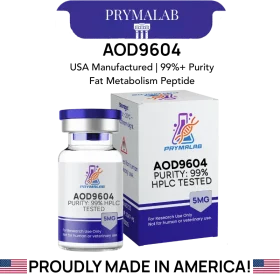
AOD9604 5MG
$34.99 or subscribe for $27.99/mo This product has multiple variants. The options may be chosen on the product page -
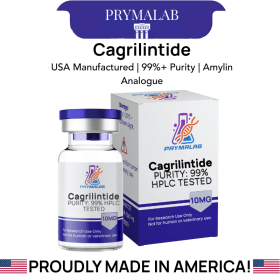
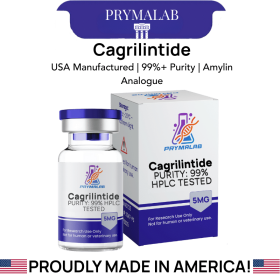
Cagrilintide 10mg
$99.99 or subscribe for $84.99/mo This product has multiple variants. The options may be chosen on the product page -
cagrilintide 2.5mg + semaglutide 2.5mg
$49.99 or subscribe for $39.99/mo This product has multiple variants. The options may be chosen on the product page -
Cagrilintide 5mg
$59.99 or subscribe for $49.99/mo This product has multiple variants. The options may be chosen on the product page -
Cagrilintide 5mg + Semaglutide 5mg
$89.99 or subscribe for $75.99/mo This product has multiple variants. The options may be chosen on the product page -
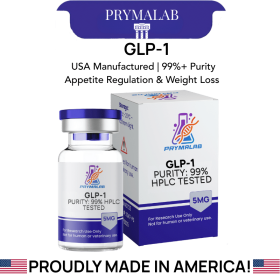
GLP-1 5mg
$69.99 or subscribe for $59.99/mo This product has multiple variants. The options may be chosen on the product page -
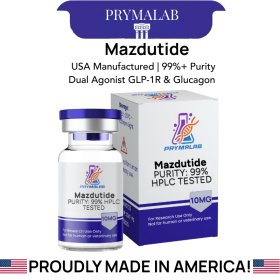
Mazdutide 10mg
$89.99 or subscribe for $74.99/mo This product has multiple variants. The options may be chosen on the product page -
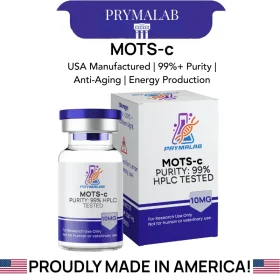
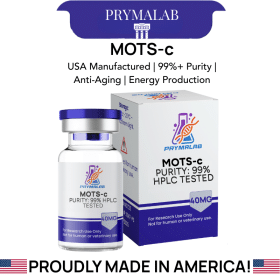
MOTS-C 10MG
$34.99 or subscribe for $29.99/mo This product has multiple variants. The options may be chosen on the product page -
MOTS-C 40MG
$119.99 or subscribe for $99.99/mo This product has multiple variants. The options may be chosen on the product page -
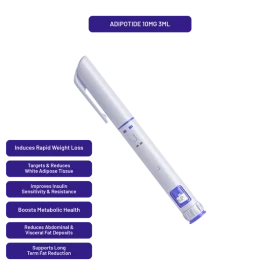
Preloaded Autoinjector | Adipotide (FTPP) | 3ml Pen | 10mg
$99.99 or subscribe for $84.99/mo This product has multiple variants. The options may be chosen on the product page -
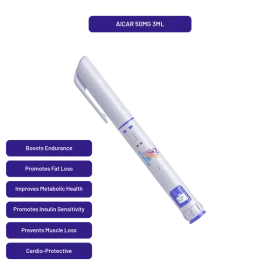
Preloaded Autoinjector | AICAR | 3ml Pen | 50mg
$89.99 or subscribe for $76.49/mo This product has multiple variants. The options may be chosen on the product page -
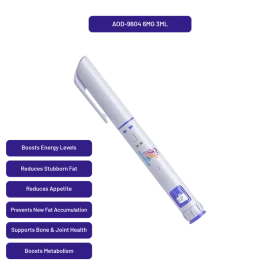
Preloaded Autoinjector | AOD-9604 | 3ml Pen | 6mg
$59.99 or subscribe for $49.99/mo This product has multiple variants. The options may be chosen on the product page -
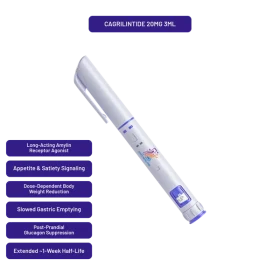
Preloaded Autoinjector | Cagrilintide | 3ml Pen | 20mg
$119.99 or subscribe for $99.99/mo This product has multiple variants. The options may be chosen on the product page -
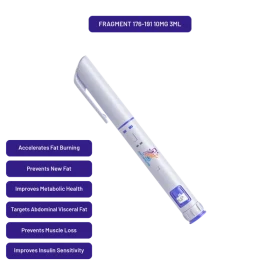
Preloaded Autoinjector | HGH Fragment 176-191 | 3ml Pen | 10mg
$59.99 or subscribe for $49.99/mo This product has multiple variants. The options may be chosen on the product page -
Sale!
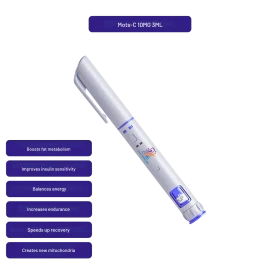
Preloaded Autoinjector | MOTS-C | 3ml Pen | 10mg/ml
Original price was: $84.99.$69.99Current price is: $69.99. -
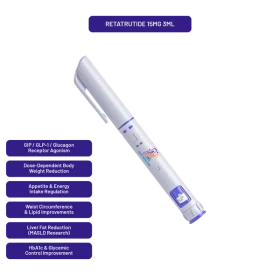
Preloaded Autoinjector | Retatrutide | 3ml Pen | 15mg
$99.99 or subscribe for $84.99/mo This product has multiple variants. The options may be chosen on the product page -
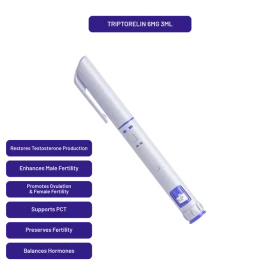
Preloaded Autoinjector | Triptorelin | 3ml Pen | 6mg
$89.99 or subscribe for $76.49/mo This product has multiple variants. The options may be chosen on the product page -
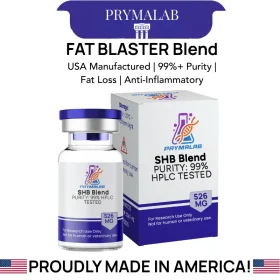
Pryma Lipo-C (FAT BLASTER)
$59.99 or subscribe for $49.99/mo This product has multiple variants. The options may be chosen on the product page -
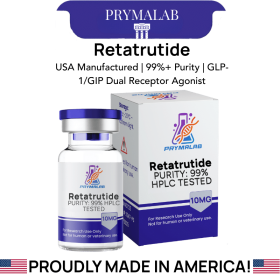
Retatrutide 10mg
$149.99 or subscribe for $126.99/mo This product has multiple variants. The options may be chosen on the product page -
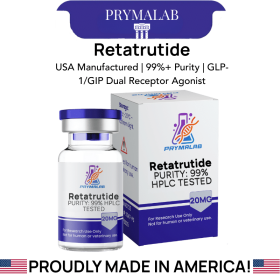
Retatrutide 20mg
$229.99 or subscribe for $194.99/mo This product has multiple variants. The options may be chosen on the product page -
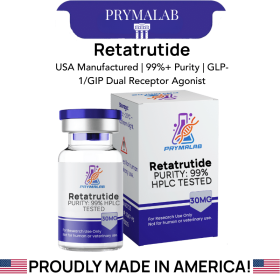
Retatrutide 30mg
$249.99 or subscribe for $209.99/mo This product has multiple variants. The options may be chosen on the product page -
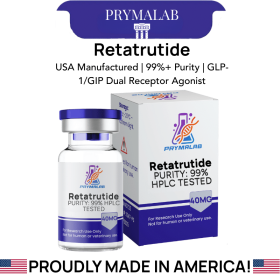
Retatrutide 40mg
$179.99 or subscribe for $149.99/mo This product has multiple variants. The options may be chosen on the product page -
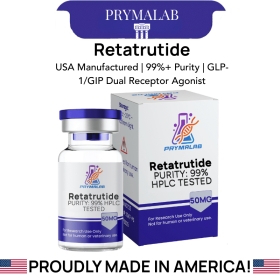
Retatrutide 50mg
$299.99 or subscribe for $254.99/mo This product has multiple variants. The options may be chosen on the product page -
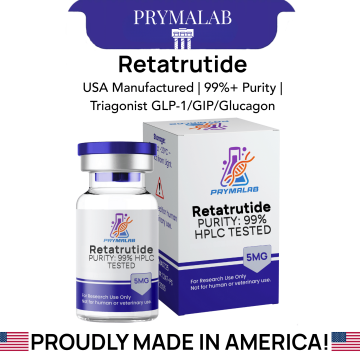
Retatrutide 5mg
$109.99 or subscribe for $92.99/mo This product has multiple variants. The options may be chosen on the product page -
Retatrutide 60mg
$349.99 or subscribe for $295.99/mo This product has multiple variants. The options may be chosen on the product page -
Semaglutide 10mg
$89.99 or subscribe for $74.99/mo This product has multiple variants. The options may be chosen on the product page -
Semaglutide 15mg
$119.99 or subscribe for $99.99/mo This product has multiple variants. The options may be chosen on the product page -
Semaglutide 20mg
$179.99 or subscribe for $149.99/mo This product has multiple variants. The options may be chosen on the product page


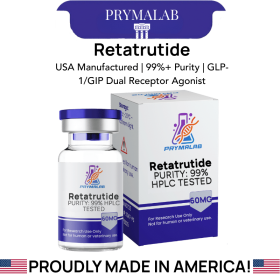
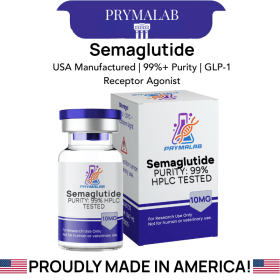
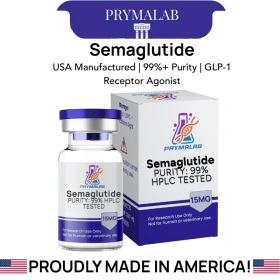
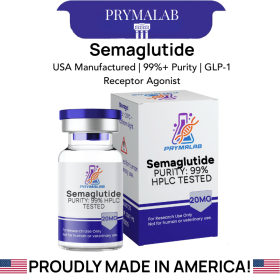
Single, dual and triple receptor agonists · and the amylin axis
GLP-1 peptides are usually listed as one group and they form a ladder. The first rung binds one receptor. The second binds two. The third binds three, and a separate compound class acts on amylin receptors entirely. This page sets out which compound occupies which rung, what each additional receptor was added to address, and what the acylation and substitution chemistry behind their half-lives is doing.
Specification Table
| Property | Value |
|---|---|
| Rung 1, single agonist | GLP-1 receptor only. Semaglutide, liraglutide class |
| Rung 2, dual agonist | GLP-1 and GIP receptors. Tirzepatide |
| Rung 3, triple agonist | GLP-1, GIP and glucagon receptors. Retatrutide |
| Separate axis | Amylin receptor. Cagrilintide, an amylin analogue rather than an incretin |
| Also in this range | Survodutide, mazdutide, AOD-9604, MOTS-c, 5-amino-1MQ, tesofensine |
| Typical chain length | 29 to 39 residues, an order of magnitude longer than the bioregulator range |
| Half-life modification 1 | Aib substitution at position 2, which blocks dipeptidyl peptidase-4 cleavage |
| Half-life modification 2 | Fatty acid acylation via a linker, which drives reversible albumin binding |
| Why albumin binding matters | Bound compound is protected from renal clearance and released slowly |
| Analytical consequence of length | At 30 to 40 residues a single deletion is under 2 percent of total mass |
| Resolution requirement | High-resolution mass spectrometry, since nominal mass cannot separate close variants |
| Page type | Category hub, not a product page |
| Schema page type | CollectionPage |
| Cornerstone content | Yes |
| Meta robots | index, follow |
| Regulatory status | Semaglutide and tirzepatide hold approved human formulations in multiple jurisdictions. Material supplied here is not those products |
Why Are GLP-1 Peptides Built as a Ladder?
Each rung exists because the rung below it left something on the table, and the sequence in which they were built explains the whole category.
Glucagon-like peptide-1 is an incretin, released from intestinal L-cells after a meal, acting at a class B G-protein coupled receptor.
A single agonist occupies that receptor alone. Semaglutide is the reference compound for this rung, and its published discovery paper sets out the two modifications that took the native peptide from a half-life of minutes to one measured in days.
Glucose-dependent insulinotropic polypeptide is the second incretin, acting at a separate receptor, and it had been considered a dead end for years because agonism at it alone produced little.
Tirzepatide put both activities into one molecule, and the published characterisation reports effects larger than the single agonist at matched exposure.
The third rung adds glucagon receptor agonism, which is counterintuitive since glucagon opposes insulin. The rationale in the literature is energy expenditure rather than glycaemic control, which is a different mechanism from the first two.
Retatrutide occupies that rung. Amylin sits outside the ladder entirely, acting at a distinct receptor complex, and cagrilintide is the compound in this range that addresses it.
So the category is not a set of interchangeable options. It is a design history, and knowing which rung a compound occupies tells you which published literature applies to it.
One caution about the ladder metaphor, which applies across all of the GLP-1 peptides in this range. Higher is not automatically better, since each added receptor brings its own biology and its own confounds into an experiment.
A study isolating one mechanism is better served by the compound that binds one receptor, and the triple agonist is the harder instrument to interpret rather than the more powerful one.
What Do the Half-Life Modifications Actually Do?
Two structural tricks recur across GLP-1 peptides, and both are visible in the sequence if you know what to look for.
The first is a substitution at position 2. Native GLP-1 carries an alanine there, and dipeptidyl peptidase-4 cleaves immediately after it, which is why the native peptide has a half-life of a couple of minutes.
Replacing that alanine with aminoisobutyric acid, a non-coded residue, obstructs the enzyme. The peptide is no longer a substrate it recognises.
The second is fatty acid acylation. A lipid chain is attached through a spacer to a lysine side chain, and the chain binds reversibly to circulating albumin.
Albumin is far too large for renal filtration, so bound compound is protected. The equilibrium then releases free peptide slowly, which converts a fast-clearing molecule into a slow-releasing depot without changing what it binds.
That is the entire basis of once-weekly dosing intervals reported in the published trials. It is chemistry rather than pharmacology.
For a researcher the practical consequence is that these two modifications are what a certificate has to confirm. A mass matching the unmodified sequence means the acylation is absent. The compound will behave nothing like the published material.
Asking whether the observed mass includes the fatty acid chain is therefore the single most useful verification question in this category.
What Does Chain Length Change Analytically?
These compounds are long by the standards of this catalogue, and length changes what a purity figure can tell you.
A bioregulator is two to four residues. A GLP-1 peptide is around thirty to forty. That is roughly a tenfold difference in synthesis steps.
Solid-phase synthesis couples one residue at a time, and every coupling has a yield below one hundred percent. Small inefficiencies compound across forty steps in a way they do not across three.
The dominant impurity class is therefore deletion sequences, molecules missing one internal residue, which are chemically very similar to the target and elute close to it.
Mass tells them apart in principle. In practice, a single missing residue on a forty-mer is often under two percent of total mass, which a nominal-resolution instrument cannot resolve from the parent.
High-resolution mass spectrometry does resolve it, and a certificate stating the instrument resolution is worth more here than one stating a purity percentage alone.
Chromatography carries more weight in this category for the same reason. A deletion sequence differs in hydrophobicity enough to shift retention, so the trace separates what the mass does not.
Where a supplier of GLP-1 peptides reports purity without a chromatogram and without stating resolution, the figure is not wrong so much as unable to answer the question that matters at this chain length.
How Does the Amylin Axis Differ?
One compound in this range is not an incretin at all, and grouping it with the ladder obscures what it is.
Amylin is co-secreted with insulin from pancreatic beta cells, and it acts at a receptor complex formed when the calcitonin receptor associates with receptor activity-modifying proteins.
That is a structurally different target from the class B receptors the incretin compounds bind, and the downstream signalling is not the same.
Cagrilintide is the amylin analogue stocked here. Native amylin is prone to aggregation into insoluble fibrils, which is the practical reason the native peptide was never a workable research article.
The analogue carries substitutions that suppress that aggregation, which is a formulation problem solved by sequence design rather than by buffer.
That matters for handling. An amylin analogue is more aggregation-prone in solution than an incretin peptide of similar length, so concentration and temperature are less forgiving.
Where cagrilintide appears alongside an incretin compound in the same study, the two are acting through separate receptor systems, and any combined effect is an interaction rather than an addition.
Published work on the combination reports it as such, and reading it as a single mechanism misstates what was measured.
Storage for the amylin analogue therefore departs from the rest of the category. Aliquot on first reconstitution rather than returning a single vial to the freezer repeatedly, and keep working concentrations toward the lower end of what the assay tolerates.
Aggregation is largely irreversible once it starts, so the precaution is worth more than any recovery step available afterwards.
What Should Be Verified Before Ordering?
Six checks cover this category, and three of them are specific to compounds of this length and this modification pattern.
Whether the observed mass includes the fatty acid chain, which distinguishes the intended compound from unacylated peptide of the same sequence.
Whether the position 2 residue is the non-coded substitution rather than alanine, since the unmodified peptide is a different molecule with a half-life two orders of magnitude shorter.
The instrument resolution used for the mass determination, because at this chain length a single deletion is within the error of a nominal-mass measurement.
The chromatogram rather than the purity number, since deletion sequences are the dominant impurity and they resolve chromatographically where they may not resolve by mass.
Counterion and net peptide content, which apply here as everywhere, though the proportional correction is smaller for a forty-mer than for a dipeptide.
Storage history, since these compounds are supplied lyophilized and are stable dry, while in solution they aggregate over time in a concentration-dependent way.
Reconstituted material in this category should be aliquoted rather than repeatedly thawed, because freeze-thaw cycling drives the aggregation that the sequence design was intended to suppress.
A supplier who can answer the acylation question and the resolution question has done the analysis. One who cannot has bought powder and printed a label.
One further point applies to the whole ladder rather than to any single rung. Because these compounds differ from one another by only a few residues in some cases, a certificate naming the product without stating the sequence has not distinguished it from its neighbours.
Semaglutide and the dual agonist share substantial sequence identity, and a mass alone will not always separate them cleanly at nominal resolution.
Asking for the sequence in single-letter form alongside the mass costs a supplier nothing and settles the question outright.
Which GLP-1 Medications Are Approved, and Under What Names?
This is the part of the category that matters most, because almost every compound named here has an approved counterpart and the two are not the same product.
Semaglutide is approved as Ozempic for type 2 diabetes, as Wegovy for weight management, and as Rybelsus in an oral form for type 2 diabetes as well.
Tirzepatide is approved as Mounjaro for type 2 diabetes and as Zepbound for weight management. It is a dual agonist, hitting the GLP-1 receptor and the receptor for gastric inhibitory polypeptide.
Liraglutide is Victoza and Saxenda, dulaglutide is Trulicity, exenatide was Byetta and Bydureon, lixisenatide was Adlyxin, and albiglutide was withdrawn from the market.
Exenatide is worth a line of its own, since it is a synthetic version of exendin-4, a peptide from Gila monster venom, and it is where this whole drug class started.
Exendin-4 resists the enzyme that clears native GLP-1 within minutes, which is why exenatide worked as a drug when the human hormone could not, and the GLP-1 analogs that followed each solved that problem in their own way.
Those GLP-1 medications differ mainly in how they achieve that, and the differences between GLP-1 agonists are pharmacokinetic before they are pharmacological.
Every one of those type 2 diabetes approvals rests on glycaemic and cardiovascular outcome data, and the weight indications rest on separate trials again.
Fat loss specifically, as distinct from total weight loss, is the endpoint the newer body composition work is trying to isolate.
Those approvals rest on large cardiovascular and weight outcome trials. They are the reason GLP-1 therapy is prescribed at all, and they belong to the finished products rather than to the molecules in the abstract.
Retatrutide is the triple agonist still in late-stage trials and holds no approval anywhere.
Research-grade material is not any of those products. It has not been through the manufacturing controls those approvals require, and no research preparation carries their evidence.
What Is the Position on Compounded GLP-1 Peptides?
This changed recently enough that a great deal of published guidance is now out of date, so it is worth stating the current position plainly.
Compounding pharmacies were permitted to prepare semaglutide and tirzepatide while those drugs sat on the FDA drug shortage list, because shortage status opens a specific legal exemption.
The FDA declared both shortages resolved, which closed that exemption. Compounded semaglutide and tirzepatide are no longer lawfully available on that basis in the United States.
Compounded peptides of this kind continue to circulate regardless, and the FDA has issued warnings about dosing errors with them, several involving overdoses from unfamiliar syringe measurements.
Salt forms are the other documented problem. Semaglutide sodium and semaglutide acetate are not the same substance as the approved base, and the FDA has stated they are not suitable for compounding.
Any research material sold in this category is a further step removed again, being neither an approved product nor a compounded preparation dispensed against a prescription.
What Do These Compounds Actually Do?
The mechanism is well characterised, which distinguishes this category from most of the catalogue.
GLP-1 is an incretin hormone released from the gut after eating, cleaved from preproglucagon, and the active fragment is usually written GLP-1 (7-37).
It acts on pancreatic beta-cells to drive glucose-dependent insulin secretion, and that glucose dependence is why insulin release rises after a meal rather than continuously.
Those pancreatic β-cells sit in the pancreas alongside the alpha-cells the same hormone suppresses, which is how one signal moves glucose handling in two directions at once.
Peptide hormones of this kind are built from short chains of amino acids and are cleared quickly by design, since a hormone that persisted would defeat the regulation it exists to provide.
Energy balance and metabolic homeostasis are the framings used for that regulation across the incretin literature, and fat metabolism follows from them rather than being targeted directly.
It suppresses glucagon secretion from the same organ, slows gastric emptying, and acts centrally to increase satiety and reduce appetite.
Signalling runs through a class B G-protein coupled receptor into cAMP, and those signaling molecules are the same across the incretin hormones generally.
Slowed gastric emptying and central satiety together account for most of the reported weight loss, and reduced cravings is how patients usually describe it.
Effects on blood sugar, insulin sensitivity and insulin resistance follow from the pancreatic arm, and improvements in blood pressure and lipids were reported in the outcome trials.
Reported effects on body composition are the contested part. Weight loss on these drugs includes lean mass as well as fat loss, and preserving lean muscle is why resistance training is advised alongside them.
Muscle preservation is an active research question rather than a settled one, and it is why amylin analogues and myostatin-directed compounds are being studied as combination partners.
Body composition after substantial weight loss is measured rather than assumed in the better trials, and body composition change is where the class attracts most of its current criticism.
Effects on obesity as a clinical condition are what the weight indications rest on, and obesity trial populations were selected by BMI rather than by appearance.
Sex differences in response, including the role of estrogen in fat distribution, are under study and not established.
What Is the Documented Safety Profile?
These are among the best-characterised compounds in this catalogue, so the risks are known rather than speculative.
Gastrointestinal effects dominate. Nausea, vomiting, diarrhoea and constipation are common, dose-related, and the usual reason people stop.
Pancreatitis appears in the labelling for the class, and gallbladder disease including gallstones is reported, both plausibly linked to rapid weight loss as well as to the drugs themselves.
Hypoglycemia is uncommon with a GLP-1 agonist alone, because insulin secretion is glucose-dependent, and becomes a real risk in combination with insulin or a sulfonylurea.
Thyroid C-cell tumours in rodents produced a boxed warning covering personal or family history of medullary thyroid carcinoma and MEN 2.
These are not indicated in type 1 diabetes, and the cardiovascular events data that supports them was gathered in specific trial populations rather than in general use.
All of that describes approved products at approved doses under supervision, with a BMI or HbA1c threshold governing who receives them.
Nothing supplied as a research chemical carries that supervision, and metabolic dysfunction is a clinical problem requiring a clinician rather than a purchase.
Compounds such as BPC-157, CJC-1295/ipamorelin and 5-Amino-1MQ appear in the same clinic menus for metabolic health and share no mechanism with the incretin axis.
Reported effects on sleep quality, chronic inflammation, cognitive function and tissue repair are secondary observations from those trials rather than indications.
Material in this category is supplied for laboratory research only and is not for administration to humans or animals.
Published Literature
Selected references on the receptor pharmacology and on the modification chemistry behind the half-lives.
- Drucker DJ. Mechanisms of action and therapeutic application of glucagon-like peptide-1. Cell Metab. 2018;27(4):740-756. https://doi.org/10.1016/j.cmet.2018.03.001
- Lau J, Bloch P, Schaffer L, et al. Discovery of the once-weekly glucagon-like peptide-1 analog semaglutide. J Med Chem. 2015;58(18):7370-7380. https://doi.org/10.1021/acs.jmedchem.5b00726
- Coskun T, Sloop KW, Loghin C, et al. LY3298176, a novel dual GIP and GLP-1 receptor agonist. Mol Metab. 2018;18:3-14. https://doi.org/10.1016/j.molmet.2018.09.009
- Knudsen LB, Lau J. The discovery and development of liraglutide and semaglutide. Front Endocrinol. 2019;10:155. https://doi.org/10.3389/fendo.2019.00155
Frequently Asked Questions
What are GLP-1 peptides?
Analogues of glucagon-like peptide-1, an incretin released from intestinal L-cells that acts at a class B G-protein coupled receptor. The compounds in this range differ by how many receptors each one binds.
What is the difference between a single, dual and triple agonist?
How many receptors the molecule occupies. Single agonists bind the GLP-1 receptor alone. Tirzepatide adds the GIP receptor. Retatrutide adds glucagon receptor agonism on top of both, which the literature frames around energy expenditure rather than glycaemic control.
Why was GIP agonism added?
It had been considered unproductive on its own for years. Combining it with GLP-1 agonism in one molecule produced published effects larger than the single agonist at matched exposure, which is why the dual compound exists.
What does the position 2 substitution do?
Native GLP-1 carries an alanine at position 2, and dipeptidyl peptidase-4 cleaves immediately after it. Replacing it with aminoisobutyric acid, a non-coded residue, means the enzyme no longer recognises the substrate.
What does the fatty acid chain do?
It binds reversibly to circulating albumin. Albumin is too large for renal filtration, so bound compound is protected and free peptide is released slowly. That converts a fast-clearing molecule into a slow-releasing depot without altering what it binds.
Is cagrilintide a GLP-1 peptide?
No. It is an amylin analogue acting at a receptor complex formed when the calcitonin receptor associates with receptor activity-modifying proteins. That is a structurally different target from the incretin receptors.
Why do amylin analogues need sequence modification?
Native amylin aggregates into insoluble fibrils, which is why the native peptide was never a workable research article. The analogue carries substitutions that suppress aggregation, solving a formulation problem through sequence design.
What is the dominant impurity in this category?
Deletion sequences, molecules missing one internal residue. At thirty to forty residues every coupling step carries a yield below one hundred percent, and small inefficiencies compound across that many steps.
Why does instrument resolution matter here?
A single missing residue on a forty-mer is often under two percent of total mass, which a nominal-resolution instrument cannot separate from the parent. High-resolution mass spectrometry does resolve it.
What is the single most useful verification question?
Whether the observed mass includes the fatty acid chain. A mass matching the unmodified sequence means the acylation is absent, and the compound will not behave like the material in the published work.
How should reconstituted material be handled?
Aliquoted rather than repeatedly thawed. Freeze-thaw cycling drives the aggregation that the sequence design was intended to suppress, and the process is concentration-dependent and temperature-dependent.
Do any compounds here hold approved formulations?
Semaglutide and tirzepatide hold approved human formulations in multiple jurisdictions. Material supplied here is not those products, is not manufactured to pharmaceutical standards, and is for laboratory research only.
Which GLP-1 medications are approved?
Semaglutide as Ozempic, Wegovy and Rybelsus. Tirzepatide as Mounjaro and Zepbound. Liraglutide as Victoza and Saxenda, dulaglutide as Trulicity, exenatide as Byetta and Bydureon. Those approvals belong to the finished products, not to the molecules in the abstract.
Is Mounjaro the same as tirzepatide sold for research?
Same molecule, different product. Mounjaro is an approved dual agonist manufactured under pharmaceutical controls with outcome trials behind it. Research material has neither, and it is not a substitute for a prescription.
Can a compounding pharmacy still supply semaglutide?
Not on the shortage basis. Compounding was permitted while both drugs sat on the FDA shortage list; the FDA declared those shortages resolved, which closed that exemption. Salt forms such as semaglutide sodium are separately unsuitable for compounding.
How do these compounds work?
GLP-1 drives glucose-dependent insulin secretion from pancreatic β-cells, suppresses glucagon, slows gastric emptying and increases satiety centrally. That glucose dependence is why hypoglycemia is uncommon with a GLP-1 agonist used alone.
When does hypoglycemia become a risk?
In combination with insulin or a sulfonylurea. On its own the glucose-dependent mechanism makes hypoglycemia uncommon, which is one of the class advantages over older diabetes drugs.
What is exendin-4?
A peptide from Gila monster venom that resists the enzyme clearing native GLP-1 within minutes. Exenatide is the synthetic version, and exendin-4 is where the entire drug class started.
What are the documented risks?
Gastrointestinal effects dominate and are the usual reason people stop. Pancreatitis is in the class labelling, gallbladder disease is reported, and a boxed warning covers medullary thyroid carcinoma history. These are not indicated in type 1 diabetes.
Do these belong in a peptide therapy protocol?
Peptide therapy clinics list them beside BPC-157, CJC-1295/ipamorelin and 5-Amino-1MQ. Those act on the pituitary or on cellular metabolism and share no mechanism with the incretin axis, so grouping them as peptide therapy describes a menu rather than a pharmacology.
What does peptide therapy marketing get wrong here?
It treats an approved drug class and unapproved research compounds as interchangeable because both are peptides. BPC-157 has no human outcome data and semaglutide has cardiovascular outcome trials, and peptide therapy as a label flattens that difference.
Compliance Statement
GLP-1 peptides are sold exclusively for laboratory research use. They are not a drug, food, or cosmetic product, and they are not a dietary product of any kind. They are not approved by the FDA or any comparable authority for human or veterinary use, semaglutide and tirzepatide hold approved human formulations in multiple jurisdictions but material supplied here is not those products and is not manufactured to pharmaceutical standards, and no compound in this category is offered for any human or veterinary purpose. These products are not intended to diagnose, treat, cure, or prevent any disease. They must not be given to humans or animals. Purchase is restricted to qualified researchers and institutions operating within applicable laws. All handling is the responsibility of the purchasing laboratory.
All 43 products in the Weight Loss & Metabolic Peptides range
Every listing states its quantity, concentration and format and carries a batch certificate of analysis. Products are supplied for laboratory research only.
- Adipotide (FTPP) 10mg preloaded 3ml pen
- Adipotide 5mg
- AICAR 50mg preloaded 3ml pen
- AOD-9604 6mg preloaded 3ml pen
- AOD9604 5MG
- AOD9604 10mg Nasal Spray
- cagrilintide 2.5mg + semaglutide 2.5mg
- Cagrilintide 5mg
- Cagrilintide 5mg + Semaglutide 5mg
- Cagrilintide 10mg
- Cagrilintide 20mg preloaded 3ml pen
- GLP-1 5mg
- HGH Fragment 176-191 10mg preloaded 3ml pen
- Mazdutide 10mg
- MOTS-C 10MG
- MOTS-C 10mg/ml preloaded 3ml pen
- MOTS-C 40MG
- Pryma Lipo-C (FAT BLASTER)
- Retatrutide 5mg
- Retatrutide 10mg
- Retatrutide 15mg preloaded 3ml pen
- Retatrutide 20mg
- Retatrutide 30mg
- Retatrutide 40mg
- Retatrutide 50mg
- Retatrutide 60mg
- Semaglutide 5mg
- Semaglutide 10mg
- Semaglutide 15mg
- Semaglutide 20mg
- Semaglutide 30mg
- Survodutide 10mg
- Tirzepatide 5mg
- Tirzepatide 10mg
- Tirzepatide 15mg
- Tirzepatide 20mg
- Tirzepatide 30mg
- Tirzepatide 40mg
- Tirzepatide 50mg
- Tirzepatide 60mg
- Tirzepatide 80mg
- Tirzepatide 100mg
- Triptorelin 6mg preloaded 3ml pen